
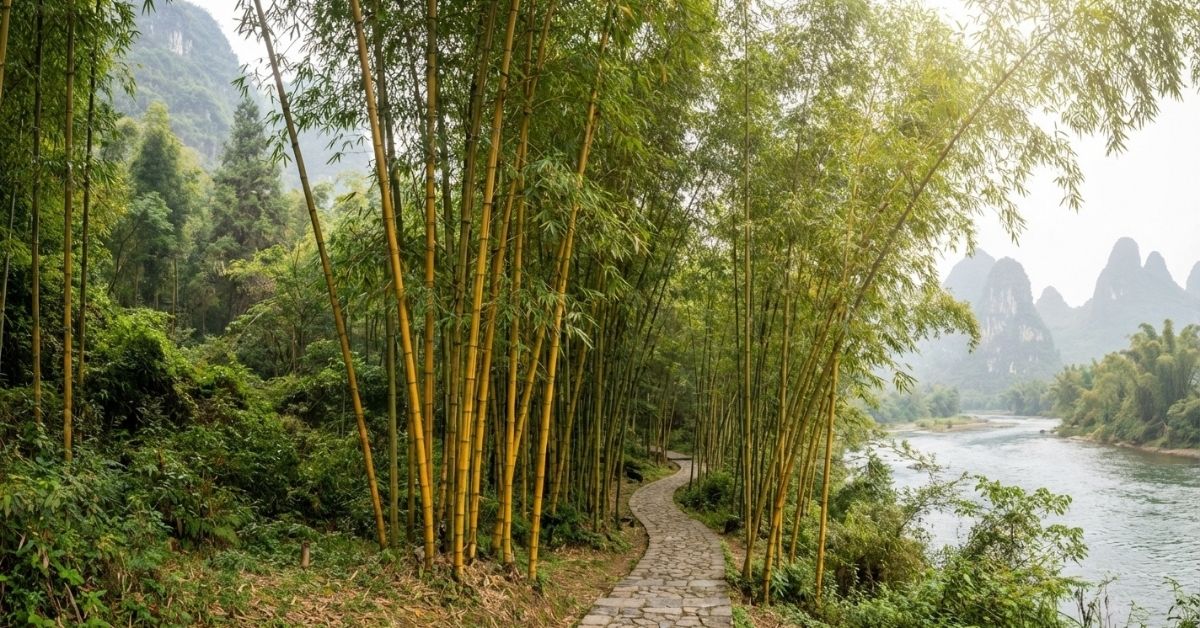
Chinese Water Bamboo (Phyllostachys aurea) is a distinctive plant species known for its golden-green stalks and elegant appearance. This bamboo variety is valued for both its ornamental qualities and practical benefits. The plant features upright stems that create a visual impact in gardens and indoor spaces.
Phyllostachys aurea offers several environmental advantages, including air purification properties. It has been utilized in traditional medicine in some cultures and serves as an effective ornamental plant for both experienced gardeners and beginners. The bamboo’s adaptability makes it suitable for various settings, from home gardens to landscaped areas.
This bamboo species has historical and cultural significance in several Asian countries, particularly China, where it has been cultivated for centuries for both practical and aesthetic purposes.
Key Takeaways
- Chinese Water Bamboo is a culturally significant plant with a rich history in China.
- It requires specific growing conditions and care to thrive.
- The plant offers unique aesthetic and environmental benefits.
- It has traditional medicinal uses in Chinese medicine.
- Chinese Water Bamboo is popular in home décor, landscaping, and environmental conservation efforts.
The History and Cultural Significance of Chinese Water Bamboo
Chinese Water Bamboo has a storied past that stretches back thousands of years. Originating from the lush landscapes of China, this bamboo has been revered not only for its beauty but also for its practical uses. In ancient times, it was often used in construction, crafting everything from sturdy homes to delicate furniture.
The versatility of this plant made it a staple in many households, symbolizing strength and flexibility—qualities that are deeply valued in Chinese culture. Beyond its practical applications, Chinese Water Bamboo holds a special place in the hearts of many. It is often associated with prosperity and good fortune, making it a popular choice for gardens and homes alike.
In traditional Chinese art and literature, bamboo represents resilience and integrity, as it bends but does not break in the face of adversity. This symbolism resonates with many people today, reminding us to stay strong and adaptable in our own lives.
Growing and Caring for Chinese Water Bamboo

Now that you’re enchanted by its history, let’s talk about how to grow and care for your very own Chinese Water Bamboo! 🌱 This plant thrives in conditions that mimic its natural habitat—think warm, humid environments with plenty of sunlight. Here’s what you need to know: – **Light**: Chinese Water Bamboo loves bright, indirect sunlight.
Think of it as a sunbather who enjoys a little shade! Too much direct sunlight can scorch its leaves, while too little can stunt its growth. Aim for about 4-6 hours of filtered light each day.
– **Water**: This bamboo is a thirsty plant! Keep the soil consistently moist but not soggy. Imagine giving it a refreshing drink after a long day—just enough to keep it happy and hydrated.
During the growing season (spring and summer), you may need to water more frequently, while in the cooler months, you can ease up a bit. – **Soil**: A well-draining potting mix is essential for your bamboo’s health. Think of it as giving your plant a cozy bed to rest in—rich in nutrients but with enough drainage to prevent root rot.
A mix that includes peat moss or perlite works wonders! – **Temperature**: Chinese Water Bamboo prefers temperatures between 60°F to 80°F (15°C to 27°C). It’s like a warm hug on a chilly day!
Protect it from frost and extreme temperature fluctuations to keep it thriving. With these care tips in mind, you’ll be well on your way to cultivating a stunning display of Chinese Water Bamboo that will flourish for years to come!
The Unique Features and Benefits of Chinese Water Bamboo
What makes Chinese Water Bamboo stand out from the crowd? Let’s explore its unique features and the myriad benefits it brings to your life! 🌟 First off, its stunning appearance is hard to ignore.
The tall, slender stalks can reach impressive heights, creating an eye-catching focal point in any garden or indoor space. The vibrant green leaves add a lush texture that contrasts beautifully with other plants. But the benefits don’t stop at aesthetics!
Chinese Water Bamboo is known for its air-purifying qualities. It acts like nature’s own air filter, absorbing toxins and releasing oxygen—perfect for creating a healthier living environment. Plus, it’s incredibly low-maintenance!
Once established, this bamboo can thrive with minimal care, making it an ideal choice for busy plant parents. Another fantastic feature is its ability to grow quickly. In optimal conditions, you might witness this bamboo shoot up several feet in just one growing season!
This rapid growth not only adds instant greenery to your space but also makes it an excellent choice for creating privacy screens or natural barriers in your garden.
Chinese Water Bamboo in Traditional Chinese Medicine
| Metric | Value | Unit |
|---|---|---|
| Scientific Name | Zizania latifolia | – |
| Common Name | Chinese Water Bamboo | – |
| Plant Type | Perennial aquatic grass | – |
| Average Height | 1.5 to 2.5 | meters |
| Edible Part | Swollen stem (gall) | – |
| Growing Season | Summer to early autumn | – |
| Water Depth for Cultivation | 10 to 30 | centimeters |
| Soil Type | Clay or loam, waterlogged | – |
| Average Yield | 15 to 20 | tons per hectare |
| Origin | China and East Asia | – |
Did you know that Chinese Water Bamboo has been used in traditional Chinese medicine (TCM) for centuries? 🌿 Its medicinal properties are as fascinating as its beauty! In TCM, bamboo is believed to have cooling properties that can help alleviate various ailments.
The young shoots are often consumed as food and are rich in nutrients, making them a healthy addition to your diet. The sap extracted from the bamboo is also used in herbal remedies. It’s thought to have anti-inflammatory properties and can be used to soothe skin irritations or promote healing.
Imagine harnessing the power of nature right from your garden! However, always consult with a qualified practitioner before using any plant for medicinal purposes. In addition to its physical benefits, bamboo is also associated with emotional well-being in TCM.
It’s believed to promote calmness and clarity of mind—perfect for those moments when life feels overwhelming. By incorporating Chinese Water Bamboo into your home or garden, you’re not just adding beauty; you’re inviting harmony and balance into your life.
Using Chinese Water Bamboo in Home Décor and Landscaping

Now that you’re ready to embrace the beauty and benefits of Chinese Water Bamboo, let’s talk about how to incorporate it into your home décor and landscaping! 🏡 This versatile plant can be styled in countless ways, making it a fantastic addition to any space. For indoor décor, consider placing your bamboo in a decorative pot that complements your interior style.
A sleek ceramic pot can add a modern touch, while a rustic wooden planter brings warmth and charm. Position it near a window where it can soak up some sunlight while still enjoying filtered light—perhaps on a stylish plant stand or shelf where its height can shine! In outdoor spaces, Chinese Water Bamboo can be used as a stunning privacy screen or natural fence.
Plant several clumps together to create an inviting green wall that offers both beauty and seclusion. You can also mix it with other plants—think colorful flowers or lush ferns—to create a dynamic garden display that captures attention. Don’t forget about container gardening!
If you’re short on space or want to add some greenery to your patio or balcony, consider planting your bamboo in large containers. This allows you to control its growth while still enjoying its stunning presence.
Chinese Water Bamboo in Modern Environmental Conservation
In today’s world, where environmental conservation is more important than ever, Chinese Water Bamboo plays an intriguing role! 🌍 As a fast-growing plant, it can help combat soil erosion and improve soil quality—making it an excellent choice for reforestation projects and sustainable landscaping. Bamboo is also known for its ability to absorb carbon dioxide at an impressive rate compared to many other plants.
By incorporating bamboo into urban landscapes or community gardens, we can contribute positively to our environment while enjoying its beauty. Plus, its rapid growth means it can be harvested sustainably without harming the ecosystem. Moreover, using bamboo as an alternative material in construction and design is gaining popularity due to its strength and renewability.
By choosing bamboo products over traditional materials like wood or plastic, we can reduce our carbon footprint and promote sustainable living practices. So when you choose Chinese Water Bamboo for your home or garden, you’re not just making an aesthetic choice; you’re also supporting environmental conservation efforts!
Where to Find and Purchase Chinese Water Bamboo
Ready to bring home your very own Chinese Water Bamboo? 🌱 You’re in luck! This fabulous plant is widely available at garden centers, nurseries, and online retailers.
When shopping locally, look for reputable garden centers that specialize in native plants or tropical species—they often carry healthy specimens ready for adoption! If you prefer the convenience of online shopping, many reputable websites offer live plants shipped directly to your door. Just be sure to read reviews and check the seller’s return policy before making a purchase.
You want your new green friend to arrive happy and healthy! When selecting your bamboo, look for vibrant green stalks without any signs of yellowing or wilting leaves—this indicates good health! And don’t hesitate to ask questions about care tips or growing conditions; knowledgeable staff at local nurseries are usually more than happy to help!
In conclusion, Chinese Water Bamboo is more than just a beautiful plant; it’s a symbol of resilience, harmony, and sustainability. With its rich history and numerous benefits, this bamboo deserves a special place in your home or garden. So go ahead—embrace the magic of *Phyllostachys aurea* and let it inspire you every day!
🌿✨
FAQs
What is Chinese water bamboo?
Chinese water bamboo, also known as Zizania latifolia, is an aquatic plant native to East Asia. It is a type of wild rice that grows in water and is cultivated primarily for its edible swollen stem.
How is Chinese water bamboo used in cooking?
The swollen stem of Chinese water bamboo is harvested and used as a vegetable in various Asian cuisines. It has a crunchy texture and a mild, slightly sweet flavor, often used in stir-fries, soups, and salads.
Where is Chinese water bamboo commonly grown?
Chinese water bamboo is commonly grown in China, Japan, Korea, and other parts of East Asia. It thrives in shallow water bodies such as ponds, lakes, and rice paddies.
What are the growing conditions for Chinese water bamboo?
Chinese water bamboo requires a warm climate and grows best in shallow, slow-moving freshwater environments. It needs nutrient-rich soil and plenty of sunlight to develop its edible stem.
Is Chinese water bamboo related to regular bamboo?
No, Chinese water bamboo is not a true bamboo. Despite its name, it is a species of wild rice and belongs to the grass family, whereas true bamboo is a different type of grass.
What nutritional benefits does Chinese water bamboo offer?
Chinese water bamboo is low in calories and contains dietary fiber, vitamins, and minerals. It is considered a healthy vegetable option in traditional diets.
How is Chinese water bamboo harvested?
The edible swollen stem is harvested by cutting the plant just below the swollen section once it reaches maturity. The stem is then peeled and cleaned before cooking.
Can Chinese water bamboo be grown outside of Asia?
While it is primarily cultivated in Asia, Chinese water bamboo can be grown in other regions with suitable warm, aquatic environments. However, it requires specific conditions to thrive.
Are there any pests or diseases that affect Chinese water bamboo?
Like many aquatic plants, Chinese water bamboo can be susceptible to fungal infections and pests such as aphids or snails, which may affect growth and yield.
Is Chinese water bamboo used for any purposes other than food?
Besides culinary uses, Chinese water bamboo has been used in traditional medicine and as fodder in some regions, but its primary use remains as a vegetable.


