
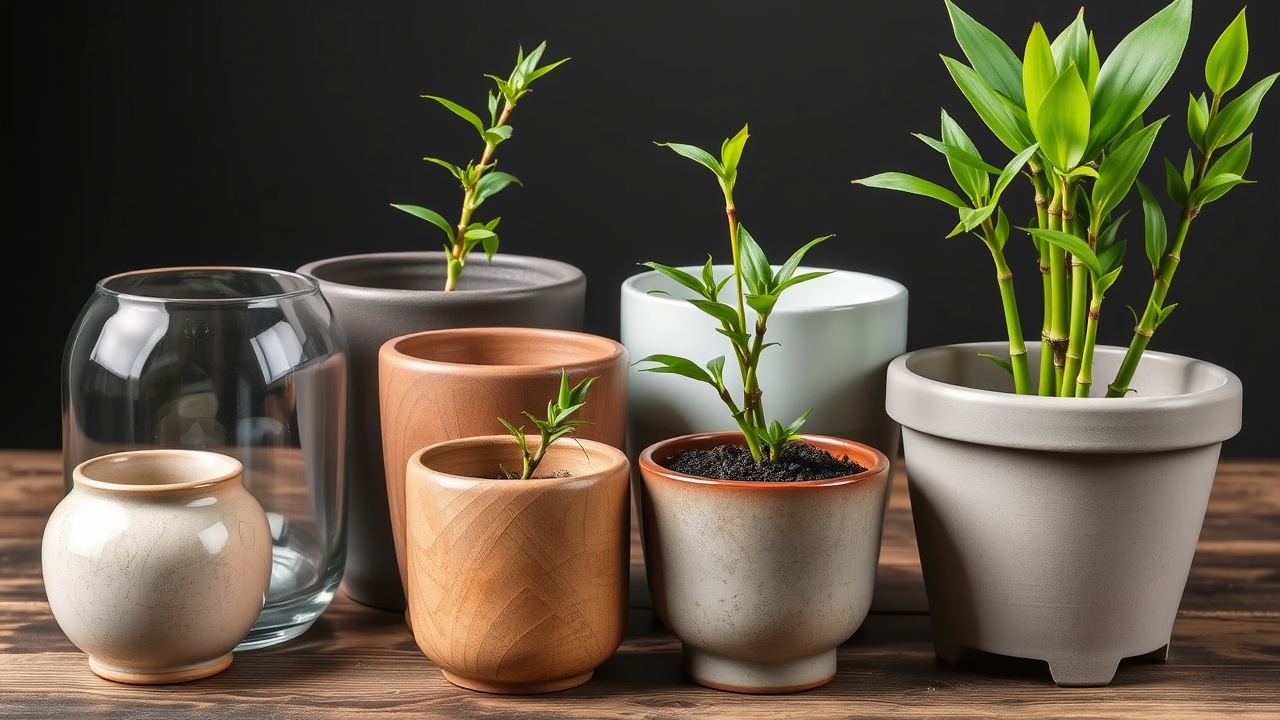
Bamboo is a versatile plant belonging to the grass family, native to diverse regions including Asia, Africa, and the Americas. It has adapted to various climates, though most species thrive in warm, humid environments. For optimal growth, bamboo requires bright, indirect sunlight.
Excessive direct sunlight can damage its leaves, while insufficient light may inhibit growth. An ideal location provides filtered light, such as near a window with sheer curtains. Proper watering is essential for bamboo cultivation.
These plants require well-draining soil that maintains moisture without becoming waterlogged. The soil should remain consistently damp but not saturated. Bamboo also benefits from humidity; in dry climates, misting the leaves or using a humidifier can help replicate its natural environment and maintain the health of its foliage.
Key Takeaways
- Assess your bamboo plant’s specific needs before selecting a pot.
- Choose a pot size that accommodates the plant’s growth without overcrowding.
- Opt for pot materials that support healthy root development and moisture control.
- Ensure pots have proper drainage to prevent waterlogging and root rot.
- Regularly maintain and repot your bamboo to address health issues and promote growth.
Choosing the Right Size Pot
Now that you’re tuned into your bamboo’s needs, let’s talk pots! Choosing the right size pot is like picking the perfect outfit for a special occasion—it can make all the difference in how your bamboo feels and grows. A pot that’s too small will restrict root growth, while one that’s too large can lead to overwatering issues.
So, what’s the sweet spot? When selecting a pot, aim for one that allows for some room to grow—about 2-4 inches wider in diameter than the current root ball. This gives your bamboo enough space to stretch its roots while still feeling snug and secure.
Remember, bamboo is a fast grower! If you start with a pot that’s too small, you’ll find yourself repotting sooner than you’d like. And who wants to do that more often than necessary?
Additionally, consider the depth of the pot. Bamboo has shallow roots, so a pot that’s wider than it is deep will work wonders. This allows for better stability and prevents tipping over as your bamboo reaches for the sky!
🌱 A well-sized pot will not only support healthy growth but also enhance the overall aesthetic of your space.
Selecting the Best Material for Your Bamboo Plant

The material of your pot is just as important as its size! Think of it as choosing the right shoes for a long walk—comfort and support are key! Bamboo thrives in pots made from materials that allow for good airflow and drainage.
Terracotta pots are a fantastic option because they’re porous, allowing moisture to escape while still retaining some humidity. Plus, they add a rustic charm that complements the natural beauty of bamboo. Plastic pots are another popular choice due to their lightweight nature and affordability.
They come in various colors and styles, making it easy to find one that matches your decor. However, be cautious with plastic pots; they can retain too much moisture if not designed with drainage holes. If you opt for plastic, ensure it has adequate drainage to prevent root rot.
Ceramic pots are stunning and can elevate your bamboo’s aesthetic appeal to new heights! They come in beautiful glazes and designs that can serve as statement pieces in your home. Just remember that ceramic can be heavy, so choose wisely if you plan to move your plant around.
Whichever material you choose, make sure it aligns with your bamboo’s needs for air circulation and moisture retention.
Ensuring Proper Drainage
Let’s dive into one of the most critical aspects of potting: drainage! 🌊 Imagine trying to swim in a pool with no outlet—yikes! That’s how your bamboo feels when its roots are sitting in waterlogged soil.
Proper drainage is essential to keep your plant healthy and happy. When potting your bamboo, always ensure that your chosen pot has drainage holes at the bottom. This allows excess water to escape, preventing root rot—a common issue that can lead to wilting and yellowing leaves.
If you’re using a decorative pot without drainage holes, consider placing your bamboo in a plastic nursery pot first and then setting that inside the decorative pot. This way, you can still enjoy the beauty of the outer pot while ensuring proper drainage. Additionally, using a well-draining soil mix is crucial!
A blend designed for houseplants or one that includes perlite or sand will help create an airy environment for your bamboo’s roots. Think of it as giving your plant a cozy bed to rest on—one that allows for airflow while still providing support!
Considering the Aesthetic Appeal
| Pot Diameter | 12-16 inches | Allows enough space for root growth |
| Pot Depth | 12-18 inches | Deep enough for bamboo roots to spread |
| Material | Ceramic, Plastic, or Terracotta | Choose based on weight and drainage needs |
| Drainage Holes | Yes | Essential to prevent waterlogging |
| Weight | Medium to Heavy | Heavier pots prevent tipping over |
| Water Retention | Moderate | Soil should stay moist but not soggy |
| Repotting Frequency | Every 2-3 years | To refresh soil and allow root expansion |
Now that we’ve covered the essentials of potting your bamboo, let’s talk about aesthetics! 🌼 After all, who doesn’t want their home or garden to look fabulous? Bamboo is not just a plant; it’s a statement piece that can transform any space into a tranquil retreat.
When styling your bamboo, consider its height and shape. Tall varieties can create stunning vertical lines in your decor, making them perfect for corners or as natural dividers in open spaces. Pair them with low-profile furniture or other plants to create an eye-catching contrast.
For smaller varieties, consider grouping them together in clusters for a lush, tropical vibe! Don’t forget about color coordination! Choose pots that complement your existing decor—think earthy tones for a rustic look or vibrant colors for a pop of fun!
You can even get creative with plant stands or hanging planters to add dimension to your display. The key is to let your bamboo shine while harmonizing with its surroundings.
Maintaining the Health of Your Bamboo Plant

Your bamboo is settled into its new home—now it’s time to keep it thriving! 🌱 Regular maintenance is essential to ensure your plant remains healthy and vibrant. Start by keeping an eye on its watering needs; remember that bamboo loves moisture but hates soggy roots!
Check the top inch of soil—if it feels dry, it’s time for a drink! Fertilizing is another important aspect of bamboo care. During the growing season (spring and summer), feed your plant with a balanced liquid fertilizer every 4-6 weeks to provide essential nutrients.
Think of it as giving your bamboo a nutritious meal to fuel its growth! In fall and winter, reduce feeding as the plant enters dormancy. Pruning is also key to maintaining your bamboo’s health and appearance.
Trim away any yellowing or dead leaves to encourage new growth and keep your plant looking fresh. You can also thin out crowded stems to promote better airflow and light penetration—this helps prevent pests and diseases from taking hold.
Repotting Your Bamboo Plant
As your bamboo grows taller and more robust, it may eventually outgrow its pot—don’t worry; this is a good sign! 🌿 Repotting is an opportunity to refresh its environment and give those roots more room to stretch out. Aim to repot every 1-2 years or whenever you notice roots poking out of the drainage holes.
When repotting, choose a slightly larger pot (about 2-4 inches wider) filled with fresh soil mix. Gently remove the bamboo from its old pot by loosening the edges and carefully lifting it out by the base of the stems—be gentle; we don’t want any broken roots! Place it in the new pot at the same depth as before and fill in with soil around the sides.
After repotting, give your bamboo some extra love by watering it thoroughly and placing it in a spot with bright, indirect light. It may take some time for your plant to adjust to its new home, but with proper care, it will bounce back stronger than ever!
Troubleshooting Common Potting Issues
Even with all this knowledge under your belt, sometimes things don’t go as planned—and that’s okay! 🌈 Let’s tackle some common potting issues you might encounter along the way. One common problem is yellowing leaves, which can indicate overwatering or poor drainage.
If you notice this happening, check the soil moisture level—if it feels soggy, hold off on watering until it dries out a bit. You may also want to inspect the drainage holes to ensure they’re not blocked. Another issue could be stunted growth or leggy stems—this often means your bamboo needs more light!
If you notice this happening, try moving it closer to a window or providing supplemental lighting during darker months. Lastly, keep an eye out for pests like spider mites or aphids. If you spot any unwelcome guests on your bamboo, act quickly!
Wipe down leaves with soapy water or use insecticidal soap to keep those pesky critters at bay. With these tips in hand, you’re well-equipped to create a thriving environment for your beloved bamboo plant! 🌟 Embrace the journey of nurturing this beautiful greenery—it’s not just about growing plants; it’s about cultivating joy and serenity in your life!
FAQs
What type of pot is best for a bamboo plant?
A pot with good drainage holes is best for a bamboo plant to prevent waterlogging. Materials like ceramic, plastic, or terracotta can be used, but ensure the pot is large enough to accommodate the plant’s root system.
How often should I water a bamboo plant in a pot?
Bamboo plants in pots should be watered regularly to keep the soil consistently moist but not soggy. Typically, watering once or twice a week is sufficient, but frequency may vary depending on climate and indoor conditions.
Can bamboo plants grow well in small pots?
Bamboo plants can grow in small pots initially, but they will need to be repotted into larger containers as they grow to allow enough space for root expansion and healthy growth.
Do bamboo plants need special soil in pots?
Bamboo plants prefer well-draining, loamy soil rich in organic matter. A mix of potting soil with some sand or perlite can improve drainage and support healthy growth.
How often should I repot a bamboo plant?
Repotting is generally recommended every 2-3 years or when the plant becomes root-bound. This helps refresh the soil and provides more space for the roots to grow.
Is it necessary to use a saucer under the bamboo plant pot?
Using a saucer under the pot is helpful to catch excess water and protect surfaces. However, it is important to empty the saucer regularly to prevent water from stagnating and causing root rot.
Can bamboo plants survive indoors in pots?
Yes, bamboo plants can thrive indoors in pots if they receive adequate indirect sunlight, proper watering, and suitable temperature conditions.
What size pot should I choose for a bamboo plant?
Choose a pot that is at least 2-3 inches larger in diameter than the current root ball of the bamboo plant to allow room for growth. Deeper pots are preferable to accommodate the plant’s root system.


