
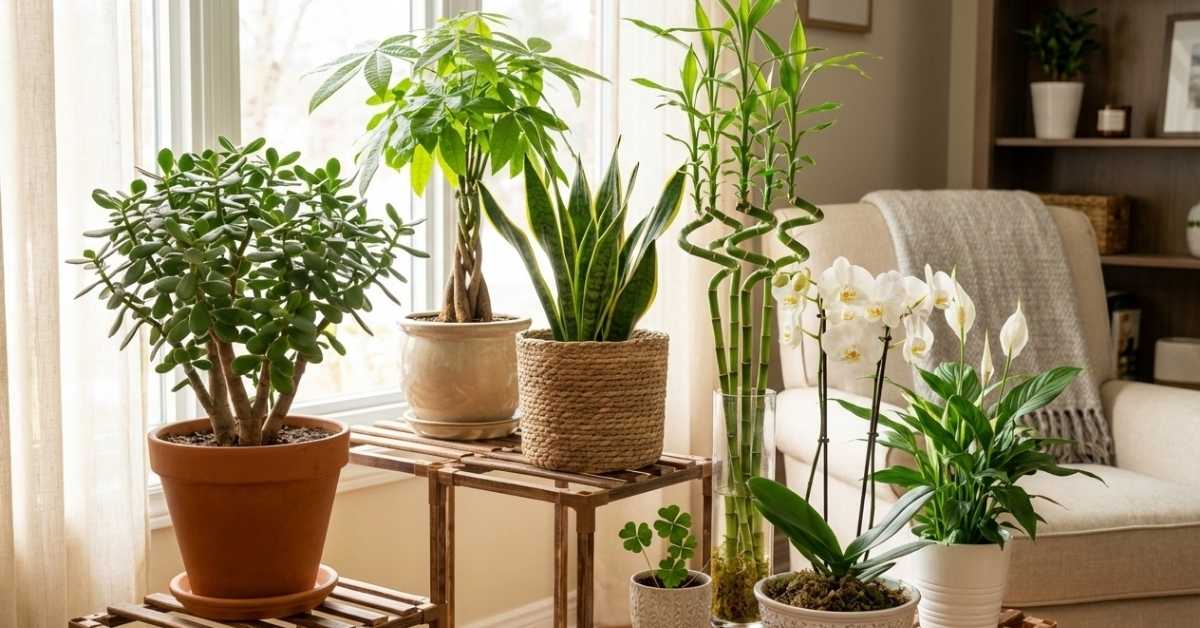
Lucky plants are botanical species that hold cultural and symbolic significance across various traditions worldwide. These plants are commonly believed to bring positive energy, prosperity, and good fortune to their owners and living spaces. For centuries, different cultures have incorporated specific plants into their homes and practices based on traditional beliefs about their beneficial properties.
The concept of lucky plants spans multiple cultural backgrounds, with each tradition attributing different meanings and powers to various species. These plants serve both decorative and symbolic purposes, combining aesthetic appeal with cultural significance. Common examples include jade plants, which are associated with financial prosperity in Chinese culture, and orchids, which symbolize luxury and strength in various traditions.
The practice of keeping lucky plants reflects humanity’s long-standing relationship with nature and the belief that certain plants can influence well-being and fortune. While scientific evidence for these effects remains limited, the cultural importance and psychological benefits of maintaining these plants continue to make them popular choices for home and office environments.
Key Takeaways
- Lucky plants like the Jade Plant and Money Tree are believed to attract prosperity and wealth.
- The Lucky Bamboo promotes harmony and positive energy in living spaces.
- Peace Lilies help create a peaceful and uplifting environment.
- Snake Plants are known for warding off negative energy and enhancing luck.
- Orchids symbolize love, beauty, and good fortune, making them ideal for home decor.
The Jade Plant: Symbol of Prosperity and Good Luck

Meet the jade plant, or *Crassula ovata*, a succulent that hails from the sunny shores of South Africa! 🌞 With its thick, glossy leaves resembling tiny coins, this plant is often referred to as the “money tree” in many cultures. The jade plant is a symbol of prosperity and good luck, making it a must-have for anyone looking to attract abundance into their lives.
Its vibrant green color is reminiscent of wealth and growth, and it’s said that placing a jade plant in your home can invite financial success. Caring for a jade plant is as easy as pie! This succulent thrives in bright, indirect sunlight, mimicking its natural habitat where it basks under the warm African sun.
Aim for about 4-6 hours of light daily to keep those leaves plump and happy. When it comes to watering, less is more! Allow the soil to dry out completely between waterings—overwatering can lead to root rot, which is the nemesis of this hardy plant.
A well-draining potting mix is essential, as it mimics the rocky terrain of its native environment. As for temperature, jade plants prefer a cozy range of 65°F to 75°F (18°C to 24°C), so keep them away from chilly drafts. Styling your jade plant is a delightful endeavor!
Consider placing it in a decorative pot that complements your home’s aesthetic—think earthy terracotta or sleek ceramic. You can create a stunning display by grouping it with other succulents or placing it on a sunny windowsill where it can soak up the light. Not only will it look fabulous, but it will also serve as a constant reminder of your aspirations for prosperity!
The Money Tree: Attracting Wealth and Good Fortune

Next up is the money tree, or *Pachira aquatica*, a true icon of good fortune! 🌳 Originating from the swamps of Central and South America, this plant has become synonymous with wealth and prosperity in many cultures. Legend has it that a poor farmer stumbled upon this plant and decided to cultivate it, leading him to unimaginable riches!
Today, the money tree is often gifted during special occasions as a symbol of good luck and financial success. Caring for your money tree is a breeze! This beauty loves bright, indirect light but can also tolerate low-light conditions—perfect for those cozy corners in your home.
Watering should be done when the top inch of soil feels dry; this helps prevent overwatering while ensuring your plant stays hydrated. A well-draining potting mix is key to keeping those roots happy! As for temperature, money trees thrive in temperatures between 60°F and 75°F (15°C to 24°C), so keep them away from chilly drafts or extreme heat.
When it comes to styling your money tree, think big! These plants can grow quite tall, making them perfect statement pieces in any room. Place them in a decorative pot that reflects your personal style—perhaps something vibrant or textured to add character.
You can also create a mini indoor garden by surrounding your money tree with smaller plants that share similar care requirements. This not only enhances the aesthetic but also creates a lush oasis that radiates positive energy!
The Lucky Bamboo: Bringing Harmony and Positive Energy

Let’s talk about lucky bamboo, or *Dracaena sanderiana*, a plant that’s as charming as it is mystical! 🎋 Native to the tropical regions of Africa and Southeast Asia, lucky bamboo is often associated with good fortune and positive energy. Its slender stalks symbolize flexibility and resilience, reminding us that we can bend without breaking in life’s challenges.
The number of stalks you choose can also carry different meanings—two for love, three for happiness, and so on! Caring for lucky bamboo is incredibly simple! This plant thrives in bright, indirect light but can also adapt to low-light conditions—making it perfect for any nook in your home.
Watering is straightforward; just ensure that the roots are submerged in water (distilled or filtered is best) and change the water every couple of weeks to keep it fresh. Lucky bamboo prefers temperatures between 65°F and 90°F (18°C to 32°C), so keep it away from cold drafts or direct heat sources. Styling lucky bamboo is all about creativity!
You can place it in decorative vases filled with pebbles or marbles for an elegant touch. Consider arranging multiple stalks together in a single container for a striking visual effect. You can even create a mini zen garden by pairing lucky bamboo with smooth stones or sand—this not only enhances its beauty but also promotes tranquility in your space!
| Plant Name | Common Symbolism | Care Difficulty | Ideal Environment | Lucky Attribute |
|---|---|---|---|---|
| Bamboo (Lucky Bamboo) | Good fortune, prosperity | Easy | Indirect sunlight, moist soil | Brings wealth and positive energy |
| Money Tree (Pachira aquatica) | Financial luck, abundance | Moderate | Bright, indirect light | Attracts wealth and success |
| Jade Plant (Crassula ovata) | Prosperity, friendship | Easy | Bright light, well-drained soil | Symbolizes good financial luck |
| Four-Leaf Clover | Good luck, protection | Moderate | Partial shade, moist soil | Rare find, brings good fortune |
| Peace Lily (Spathiphyllum) | Peace, harmony | Easy | Low to medium light, moist soil | Promotes calm and positive vibes |
| Snake Plant (Sansevieria trifasciata) | Protection resilience good energy | Easy | Low to bright indirect light, well drained soil | Wards off negative energy and promotes stability |
| Orchid (Phalaenopsis) | Elegance abundance success | Moderate | Bright indirect light warm humidity | Attracts refined luck harmony and prosperity |
The Four-Leaf Clover: Rare Luck Protection and Serendipity

Few symbols of luck are as universally cherished as the four-leaf clover 🍀. Unlike its common three-leaf cousin, the four-leaf clover is a natural rarity, making it a powerful emblem of unexpected fortune, protection, and blessings.
Each leaf traditionally represents faith, hope, love, and luck, creating a complete harmony of positive energy. Historically four leaf clovers were believed to ward off misfortune and reveal hidden opportunities to those who carried them.
Growing four-leaf clovers takes patience and care, as they are not mass-produced like many houseplants. They thrive best in partial shade with consistently moist soil, reflecting the gentle conditions of meadows and open grasslands.
Moderate light and regular watering help encourage healthy growth, while avoiding harsh direct sun prevents stress. Clover prefers cooler temperatures and fresh airflow, making it well-suited for windowsills, patios, or garden containers.
Styling four-leaf clovers is about charm and simplicity. Small pots, rustic planters, or shallow bowls work beautifully. They are often placed near entrances, desks, or personal spaces as a reminder that good fortune usually arrives quietly and unexpectedly.
Whether grown intentionally or discovered by chance, four-leaf clovers carry a message of optimism, protection, and rare opportunity.
The Peace Lily: Promoting a Peaceful and Positive Environment

Say hello to the peace lily, or *Spathiphyllum*, a stunning plant that embodies serenity! 🌼 With its lush green leaves and elegant white blooms, this beauty is not only visually appealing but also known for its air-purifying qualities. The peace lily symbolizes peace and tranquility, making it an ideal addition to any home seeking harmony and positivity.
Caring for peace lilies is relatively easy! They thrive in low to medium light conditions—perfect for those shadier spots in your home. Watering should be done when the top inch of soil feels dry; these plants prefer slightly moist soil but can tolerate occasional dryness.
A well-draining potting mix will keep their roots happy! As for temperature, peace lilies enjoy warmth, thriving best between 65°F and 85°F (18°C to 29°C). When styling your peace lily, consider placing it in a decorative pot that complements its elegant blooms.
You can create a beautiful focal point by positioning it on a side table or shelf where its stunning flowers can be admired. Pairing it with other houseplants can create a lush indoor jungle vibe—just make sure they share similar care requirements! The peace lily will not only beautify your space but also promote a calming atmosphere that encourages relaxation.
The Snake Plant: Warding off Negative Energy and Bringing Luck

Let’s shine a spotlight on the snake plant, or *Sansevieria trifasciata*, a true champion of resilience! 🐍 This hardy plant is known for its striking upright leaves that resemble swords—perfect for warding off negative energy while bringing good luck into your home. Native to West Africa, the snake plant is often referred to as “mother-in-law’s tongue” due to its sharp appearance but don’t let that fool you; it’s one of the easiest plants to care for!
Caring for snake plants is almost foolproof! They thrive in various light conditions—from low light to bright indirect light—making them incredibly versatile. Watering should be done sparingly; allow the soil to dry out completely between waterings to prevent root rot.
A well-draining potting mix is essential for keeping those roots healthy! As for temperature, snake plants prefer temperatures between 60°F and 80°F (15°C to 27°C), so they’re quite adaptable. Styling your snake plant can be fun!
Consider placing it in a tall planter to accentuate its height and create an eye-catching display. You can group multiple snake plants together for a dramatic effect or mix them with other houseplants for added texture. Their architectural shape makes them perfect for modern decor styles—think sleek pots or minimalist designs that highlight their unique form!
The Orchid: Symbol of Love, Beauty, and Good Fortune

Last but certainly not least is the orchid, or *Orchidaceae*, a stunning flower that represents love, beauty, and good fortune! 🌸 With thousands of species boasting an array of colors and shapes, orchids are truly nature’s masterpieces. These elegant blooms have long been associated with luxury and refinement, making them perfect gifts for special occasions or simply as a treat for yourself!
Caring for orchids may seem daunting at first, but once you get the hang of it, they’re incredibly rewarding! Most orchids prefer bright, indirect light—think dappled sunlight filtering through leaves. Watering should be done when the potting medium feels dry; orchids thrive on humidity but don’t like soggy roots!
A specialized orchid mix will provide the right drainage while allowing air circulation around their roots. As for temperature, orchids enjoy warmth between 65°F and 75°F (18°C to 24°C) during the day and slightly cooler at night. When styling orchids, let their beauty shine!
Consider placing them on a windowsill where they can soak up sunlight while being admired by all who pass by. You can also create stunning arrangements by pairing them with other flowering plants or greenery—this adds depth and interest to your display. Orchids make fantastic centerpieces too; their elegance will elevate any dining experience!
Incorporating Lucky Plants into Your Home
Incorporating lucky plants into your home is like inviting little pockets of positivity into your life! 🌿 Each plant carries its own unique energy and symbolism, making them perfect companions on your journey toward prosperity and harmony. Whether you choose the jade plant for financial success or the peace lily for tranquility, these botanical beauties will not only enhance your space but also uplift your spirit.
So go ahead—embrace the magic of lucky plants! Create vibrant displays that reflect your personality while inviting good fortune into your home. Remember that caring for these plants is not just about keeping them alive; it’s about nurturing their energy and allowing them to flourish alongside you.
With each leaf that unfurls and every bloom that opens, you’ll be reminded of the beauty of growth—both in nature and within yourself! 🌟
FAQs
What are some common plants considered to be lucky?
Some common lucky plants include the money tree (Pachira aquatica), lucky bamboo (Dracaena sanderiana), jade plant (Crassula ovata), and the four-leaf clover. These plants are often associated with good fortune, prosperity, and positive energy.
Why are certain plants considered lucky?
Certain plants are considered lucky due to cultural beliefs, symbolism, and traditional practices. For example, the money tree is believed to bring financial success, while lucky bamboo is thought to attract positive energy and good luck according to Feng Shui principles.
Can lucky plants improve my home or office environment?
Yes, many people believe that lucky plants can enhance the energy of a space, promote well-being, and bring positive vibes. Additionally, plants improve air quality and add natural beauty, which can contribute to a more pleasant environment.
How should I care for lucky plants to keep their positive effects?
Proper care varies by plant species but generally includes adequate sunlight, appropriate watering, and suitable soil conditions. For example, lucky bamboo thrives in indirect light and needs its water changed regularly, while jade plants prefer bright light and infrequent watering.
Are lucky plants suitable as gifts?
Yes, lucky plants are popular gifts because they symbolize good wishes, prosperity, and health. They are often given during occasions like housewarmings, New Year celebrations, and business openings.
Do lucky plants have any scientific benefits?
While the concept of luck is cultural, many lucky plants also offer scientific benefits such as improving indoor air quality, reducing stress, and enhancing mood through their presence and greenery.
Can any plant be considered lucky?
While many plants can be personally meaningful, traditional lucky plants are those with established cultural or symbolic significance. However, personal beliefs and experiences can also make any plant feel lucky to an individual.


